
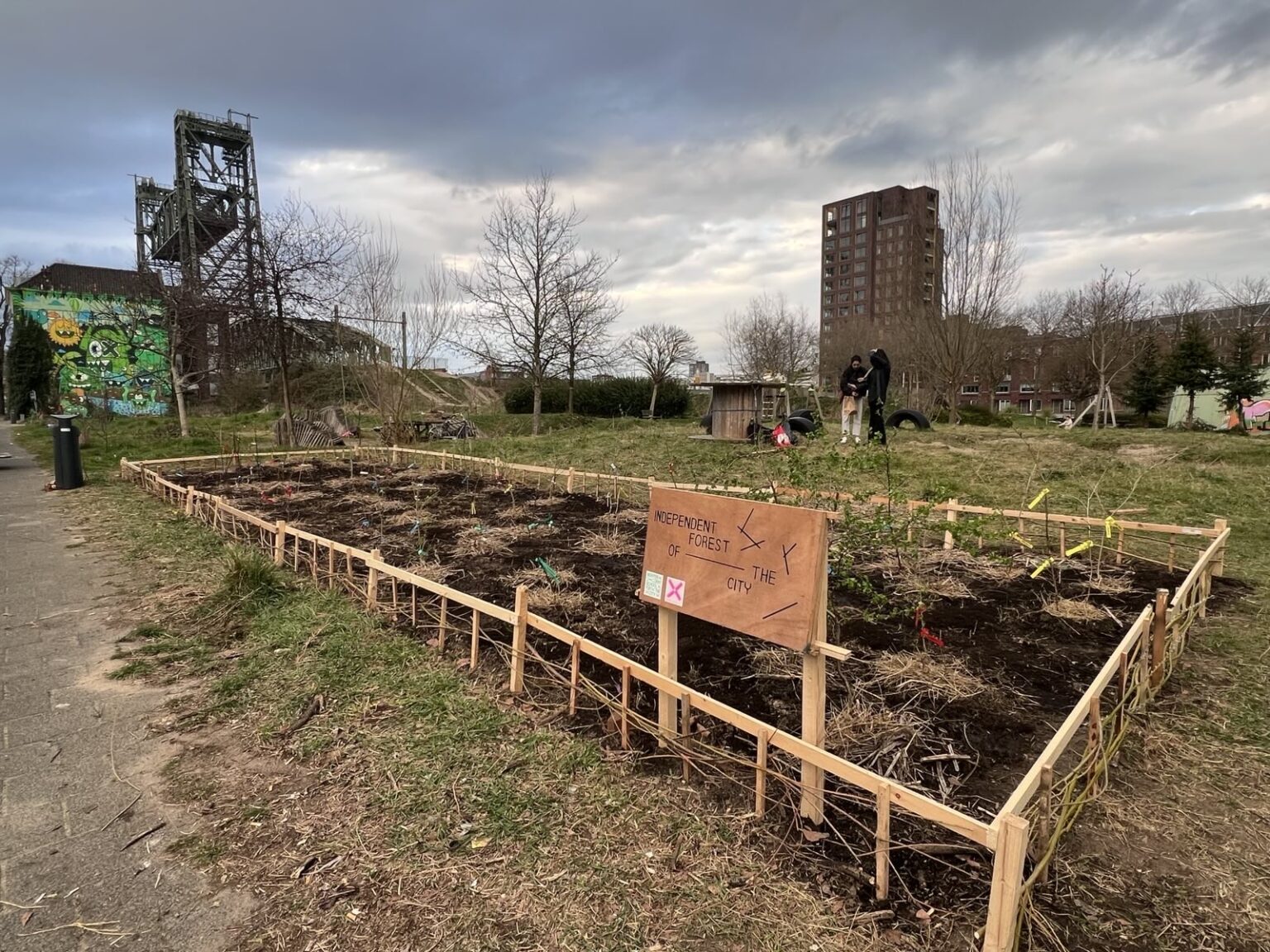
• Assessment of the soil type.
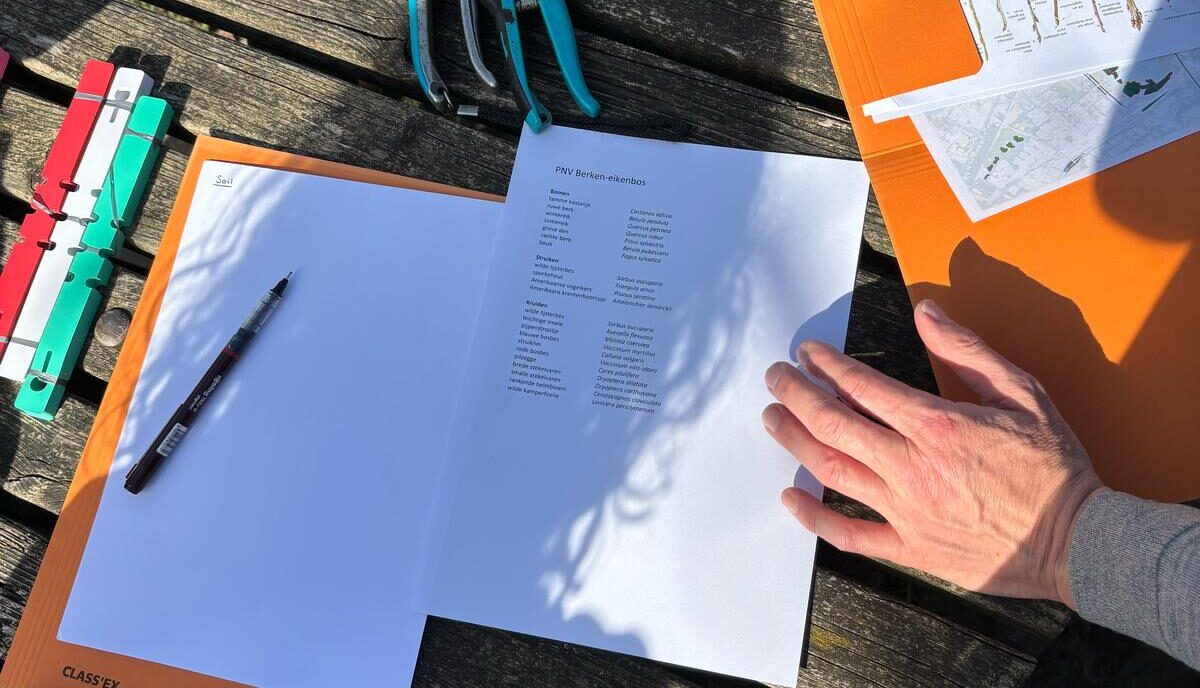
  • Selection of the most appropriate PNV based on the soil composition and geographical location of the plot.

The soil in this area was highly sandy, which is light, dry, warm, low in nutrients, and often acidic. Based on this, we selected PNV vegetation for a birch-oak forest, which characterizes for vegetation that adapts to nutrient-poor, very acidic, loamy sandy soils with stagnant soil formations like clay layers.
  • Map current species available in near parks
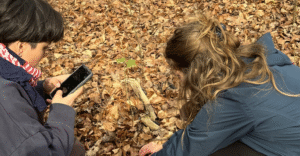
  • Collect seedlings, keeping as much of the original soil as possible.

We sought for many seedling, such as from oak, beech, and birch trees. Due to limited space for natural vegetation in the city, finding suitable seedlings was challenging. However, we managed to dig some up in a few public green spaces.


  • Collect woods and green and brown manure around the site
  • Build a hügelkultur
  • Add a compost layer with some mixed in biochar

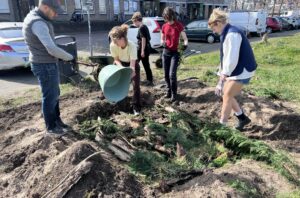
At our site, we improved soil by removing the layer of compacted topsoil to reach the underneath sand layer. We then added decaying tree trunks, branches, and pruning waste to enrich the soil and retain moisture. Next, we applied compost from the community garden and mixed it with biochar-enhanced soil.
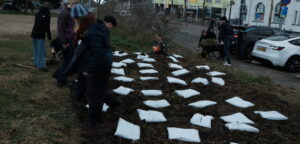
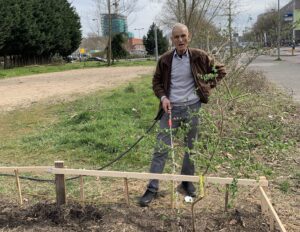
The neighborhood was involved into the further care of the garden. In particular, Ali, an active neighbor at HefPark, is ensuring it gets regularly watered.
This page presents Grounds of Care’s reflection on some of the learning and practices from the hands-on studio organized by the Independent School of the City on strategies for the radical greening of urban spaces. Please note that the workshop was hosted and facilitated by Peter Veenstra – Grounds of Care joined as a practitioner, not as an organizer.

In this studio, we used a specific case to study urban greenery. We focused on a small sandy area in HefPark, a community park in south Rotterdam, aiming to create a green space there. Fourteen years ago, where this green patch now stands, there was only a derelict site, one of many undeveloped lands part of a strip of the city above the train tunnels. A slim cover of dirt was placed by the municipality on top of the sandy ground to enable the neighboring communities to start enjoying this liminal space as a park. 

We proceeded to green this place taking into consideration the history presents in its soil. More precisely, we applied the Potential Natural Vegetation (PNV) theory. It proposes to reintroduce the vegetation based on the vegetation that would be expected based on environmental constraints without human intervention. Guided by the ecologist Ronald Buiting, we explored what would be the natural habitat that such man-made soil would slowly evolve towards without man intervention, taking this already the post-industrial context of Rotterdam as a starting point.

Rotterdam is a city that sits on top of sand. Massive quantities of sand that were laid on top of its natural peat soil to compress it until it was stable enough to build houses on top. Sand is many things, a strategic resource we move all over the earth to create and shape lands and objects to our needs. But there is also one thing about sand – it’s infertile.

TYPE: Research by doing

INITIATED BY: Independent School for the City and Peter Veenstra